
Hair Loss Treatments
Hair loss is a prevalent concern in dermatology, with causes ranging from genetics and hormonal changes to medical conditions and environmental factors. Effective treatments include prescription topical solutions, oral medications, and procedural injections. Tailored approaches are essential to address the underlying cause, promote hair regrowth, and enhance scalp health.
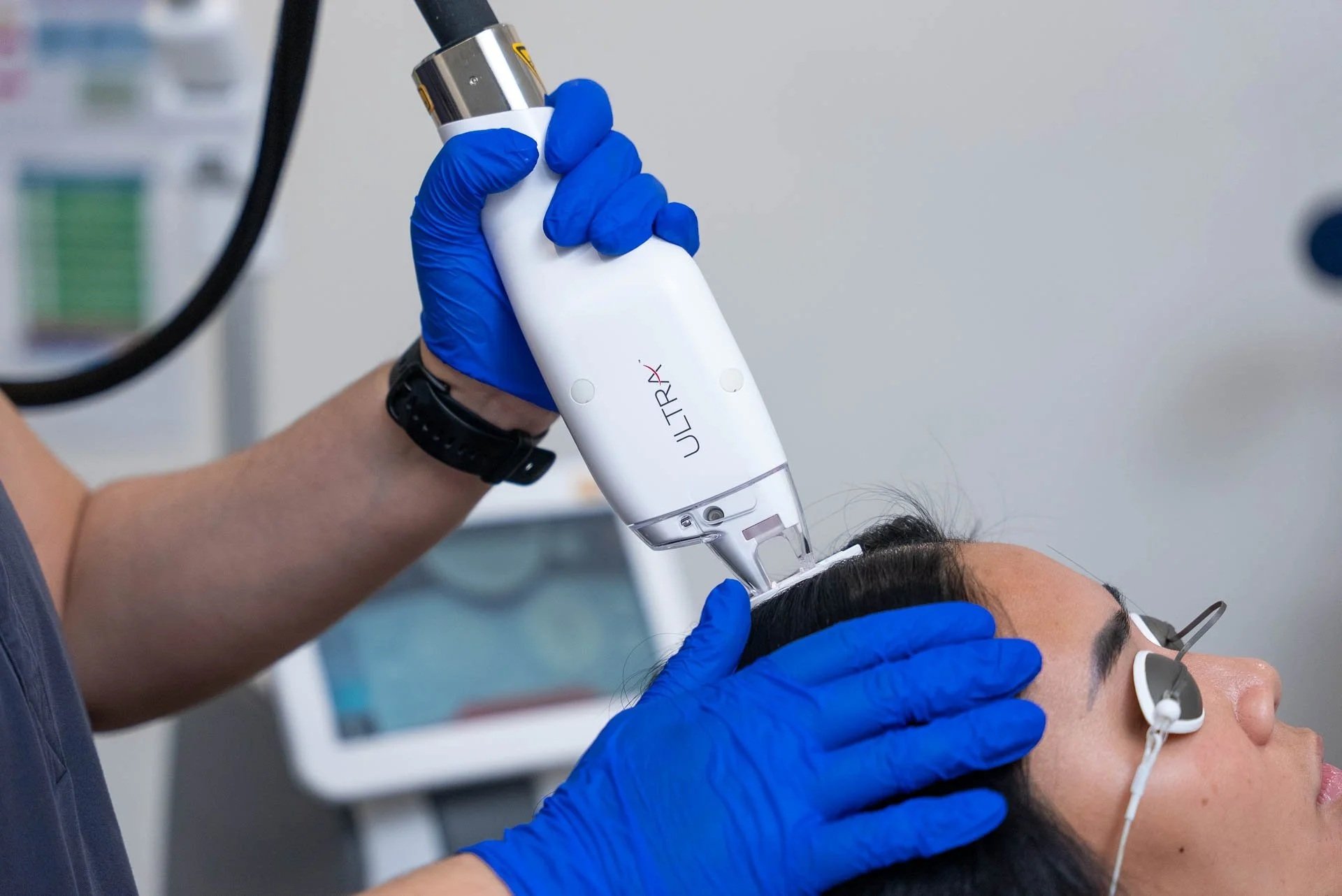
Why Shades for Hair Loss?
At Shades Dermatology, we understand the emotional and social impact of androgenic alopecia. We offer a range of effective treatment options, including clinically proven medications and advanced hair restoration procedures. Schedule a consultation with our experienced dermatologists to discuss your concerns and explore personalised treatment plan.
We offer a combination of advanced, non-surgical therapies to support hair regrowth and scalp health. These include:
Microneedling (Skin Needling): Microneedling is a minimally invasive procedure that uses ultra-fine, medical-grade stainless steel needles to create micro-channels in the scalp. This stimulates the body’s natural healing response and enhances the absorption of topical serums.
Exosome Therapy: Exosomes are nano-sized vesicles derived from laboratory-cultured adipose (fat) tissue. They contain proteins, RNA, lipids, and other bioactive molecules that influence cellular behavior. Exosomes are cell-free and DNA-free, incapable of reproduction. They promote hair follicle regeneration, reduce inflammation, and improve scalp health. Applied topically after microneedling or laser to enhance penetration and efficacy.
Lutronic LaseMD Ultra (Fractional Thulium Laser): This non-ablative fractional laser (1927nm) creates controlled microchannels in the scalp, improving the absorption of topical serums like KeraFactor or Hair Exosomes.
Anti-androgen Mesotherapy: that helps thicken hair by blocking DHT.
Low-level LED light therapy (Lutronic Healite II™) to stimulate scalp cells, potentially improving hair health and growth. Used for scalp inflammation and pain disorders. This non-invasive, pain-free treatment typically takes 10-20 minutes per session, involves no downtime, and is often recommended as a supportive therapy alongside other hair growth treatments.
Our experienced Dermatologists tailor your treatment to your specific skin concerns, ensuring optimal results.
Hair loss treatments available in Brisbane: For more information about Hair loss treatments or to schedule a consultation, please contact Shades Dermatology. Our team of specialists is here to help you find the best approach for your hair and skin concerns.
Learn more about Androgenetic Alopecia
What Causes Androgenetic Alopecia?
Genetic Factors: A family history of hair loss is a strong predictor.
Hormonal Influence: Normal levels of hormones (androgens) like testosterone can cause hair follicles to shrink over time, producing thinner, shorter hairs.
What does Androgenetic Alopecia look like?
Male Pattern Hair Loss
Receding hairline: The hairline typically starts to recede at the temples and front of the head (forming an "M" shape)
Thinning on the crown: The hair on the top of the head gradually thins out.
Bald spots: over time, bald areas on the scalp merge.
Female Pattern Hair Loss
Diffuse thinning: Hair may become thinner overall, with a noticeable reduction in the thickness of ponytails or hairstyles.
Widening part: The part in your hair may become wider.
Increased shedding: You may notice more hair shedding than usual during washing, brushing, or styling.
Treatment Options
While there's no cure for androgenetic alopecia, several treatment options can help slow hair loss and promote regrowth. All treatments are lifelong; if treatments are ceased, hair loss will revert to its natural course. Realistic expectations are important, as results vary between patients.
General Advice:
Avoid hair care products and tight hair styling that may damage hair.
Camouflage: Use synthetic keratin hair fibres, change hairstyle, or wear hats/caps for sun protection.
Evidence for marketed hair supplements/tonics is low and only few have some supporting evidence.
Medications:
Topical or Oral prescription medications including oral anti androgen.
Mesotherapy: localised scalp injections to stimulate hair growth.
Non-surgical therapies:
Platelet-Rich Plasma (PRP) Injections: Uses the patient's own blood to stimulate hair growth.
Exosome Therapy.
Laser Therapy: Low-level laser therapy may stimulate hair growth in some individuals.
Microneedling (Skin Needling).
Low-level LED light therapy
Scalp Tissue Micrografting: Transplanting small sections of scalp tissue to promote hair growth.
Hair Transplantation: Surgical procedures can transplant hair follicles from the back of the head to areas of hair loss.
Medical Disclaimer
The information provided here is for general educational purposes only. All medical and cosmetic procedures involve some risks. Results achieved for our patients that may be shown in before and after pictures on this website are specific to the individual, and may not be achievable for another patient. For specific advice regarding your skin condition, please book a a consultation with one of our Dermatologists at Shades Dermatology.
Always seek the guidance of your doctor or other qualified health professional with any questions you may have regarding your health or a medical condition. Never disregard the advice of a medical professional, or delay in seeking it because of something you have read on this website.
Healthy skin of all Shades.
Book your consultation at Shades Dermatology
To book your next appointment with one of our Dermatologists, either follow the booking link below via HealhtEngine, or call (07) 3184 3442 during office hours & our friendly staff will assist you.